
A washing machine not spinning but making noise is a common appliance issue linked to spin cycle failure, drum rotation problems, or motor strain. Users often notice humming sound, grinding noise, or vibration during wash cycles, indicating internal faults. This problem may be caused by a broken drive belt, faulty lid switch, clogged drain pump, or worn-out motor coupling. Modern appliances from LG, Samsung, and other brands often show similar symptoms when spin function stops working. Proper troubleshooting and washing machine repair help restore normal performance and prevent further damage.
In many cases, the washer drum not spinning issue is related to a defective door lock, capacitor failure, or control board malfunction. Users may also face drainage issues, unbalanced load errors, or transmission failure affecting spin speed. Popular brands like Whirlpool and Bosch are also prone to such appliance faults due to wear and tear over time. Understanding these washer troubleshooting signals helps in quick diagnosis, whether it is a noisy washing machine, spin cycle not working, or automatic washer repair requirement.
Reasons your washer won’t spin may include:
These are all following reasons are given below explain:
Too-Heavy Loads in Washing Machine
Overloading a washing machine is one of the most overlooked reasons behind spin cycle failure, loud noise, and vibration issues. When the drum is filled beyond its recommended capacity, the laundry becomes unevenly distributed, creating an imbalance that modern automatic systems quickly detect. In machines from brands like LG and Samsung, built-in load sensing technology often stops or slows the spin cycle to protect the motor, drum bearings, and internal suspension system from damage.
From real-world experience, this issue is often mistaken for a technical fault, but it usually comes down to simple load management. Heavy fabrics like blankets, jeans, or towels tend to clump together, causing the washer to “walk” or shake violently during spinning. Even reliable appliances such as Whirlpool can show this behavior when the drum is overloaded. The practical fix is always to reduce the load size and balance the clothes properly before restarting the cycle, which immediately restores smooth spinning and reduces unnecessary strain on the machine.
How To Fix It
From my experience dealing with everyday washer complaints, the quickest fix for an overfilled washing machine not spinning properly is always load control and proper distribution. Start by reducing the laundry quantity and make sure you follow the drum’s fill-to line, as machines from LG, Samsung, and Whirlpool are designed with smart sensors that instantly detect imbalance and stop the spin cycle to protect the motor and suspension system. Avoid tightly packing clothes spread them evenly so the drum can rotate smoothly without vibration or noise. If the issue still continues even after balancing the load, it may indicate a deeper mechanical or sensor-related fault, and in that case it’s best to contact a professional “appliance repair Dubai services” technician for accurate troubleshooting and safe repair.
Unbalanced Loads
Unbalanced loads are one of the main reasons a washing machine stops spinning mid-cycle or starts producing loud knocking and vibration noises. This happens when clothes inside the drum are not evenly distributed, causing the built-in imbalance detection system to pause or slow the spin to protect internal components. In my experience handling common washer issues, heavy items like towels, jeans, or bedsheets often bunch up on one side, which triggers this safety response even in advanced machines from LG, Samsung, and Whirlpool that are designed with smart load-sensing technology.
How To Fix It
To fix an unbalanced load issue, the most practical step is to pause the cycle, open the drum, and manually redistribute the laundry evenly around the tub so the weight is balanced. Avoid overloading or mixing very heavy and very light fabrics together, as this often causes spin failure and excessive vibration. From real-world troubleshooting experience, I’ve noticed that most spin problems disappear immediately after proper balancing. If the issue keeps repeating even with correctly arranged loads, it may indicate worn suspension springs or shock absorbers, and in that case a professional appliance repair service is recommended for safe inspection and repair.
Unlevel Washer
An unlevel washing machine is a common but often ignored root cause of spin cycle problems, excessive vibration, loud banging noise, drum shaking, and the “walking” or rocking movement during operation. When the appliance is not properly balanced on its adjustable leveling feet, the tub alignment becomes unstable, affecting drum rotation, spin speed, and overall washing performance. In my practical experience dealing with washer troubleshooting, this issue frequently appears in automatic front load and top load machines from LG, Samsung, and Whirlpool, where built-in vibration sensors, imbalance detection systems, and safety shut-off mechanisms instantly stop or slow the spin cycle to prevent motor strain, suspension damage, or bearing wear.
How To Fix It
To fix an unlevel washer, first check the machine placement using a spirit level tool and ensure all four leveling feet are firmly touching the floor with equal pressure. Adjust the height of each foot to correct tilt, restore drum balance, and eliminate vibration, noise issues, and spin interruption problems. From real-world repair experience, proper floor contact and stable installation often resolve errors like spin failure, drum wobbling, and machine movement without any mechanical repair. However, if instability, excessive shaking, or uneven spinning continues even after proper leveling, it may indicate worn shock absorbers, suspension rods, loose mounting components, or internal structural wear, in which case a professional appliance repair technician should inspect the system for safe and long-term performance restoration.
Broken or Stuck Spin Switch
A broken or stuck spin switch is a common washing machine issue where the appliance drains water but refuses to spin, leaving clothes dripping wet and heavy. This usually happens when the lid switch, door lock, or safety interlock sensor fails to activate properly, triggering the machine’s safety system to block the spin cycle and prevent damage. In my experience working with appliance faults, I’ve seen this issue frequently in machines from LG, Samsung, and Whirlpool, where even a small fault in the switch mechanism or wiring can stop the drum rotation and disrupt the entire wash cycle.
How To Fix It
In most cases, fixing a stuck spin switch requires proper inspection of the lid switch, door lock assembly, or internal sensor system, as these parts often get worn out, misaligned, or stuck over time. From real troubleshooting experience, this is not usually a simple DIY fix because electrical or mechanical faults inside the switch can be tricky to diagnose correctly. The best solution is to call a professional appliance repair technician in Dubai who can test the switch system, replace damaged components, and restore smooth and safe spin operation.
Poor Drainage
Poor drainage is a major reason behind washing machine spin failure, water retention, and incomplete wash cycles, where the drum stays filled with dirty water and clothes come out soaking wet. This issue usually happens when the drain hose is clogged, kinked, or blocked, or when the pump filter is jammed with lint, coins, or detergent residue, causing restricted water flow and slow draining. From hands-on experience, I’ve seen this problem frequently in machines from LG, Samsung, and Whirlpool, where the system’s water level sensor detects excess water and automatically stops the spin cycle to prevent motor overload, drainage system failure, or internal damage.
How To Fix It
To fix poor drainage, start by checking the drain hose for blockages, bends, or improper installation, and ensure it is positioned correctly for smooth water outlet flow. Next, clean the pump filter thoroughly, as clogged filters are one of the most common causes of drainage problems, slow spinning, and cycle interruption. In real-world repair situations, simple cleaning often restores normal water discharge and spin performance instantly. However, if the issue continues even after clearing the hose and filter, it may indicate a faulty drain pump or internal blockage, and in that case, it is best to contact a professional appliance repair technician in Dubai for proper inspection, safe diagnosis, and long-lasting repair solution.
Burned-Out Motor
- Washing machine starts spinning but stops after a few seconds
- Drum tries to rotate but cannot build proper speed
- Machine becomes unusually silent during spin cycle
- Lack of normal humming or whirring sound from the motor
- Burning smell coming from inside the appliance
- Overheating signs due to long usage or heavy laundry load
- Possible wear in drive motor or internal electrical failure
- Commonly seen in machines from brands like LG Electronics, Samsung Electronics, and Whirlpool
From my own experience dealing with washing machine faults, this issue often doesn’t appear overnight it usually builds up slowly until the motor finally gives up under pressure.
How To Fix It
In most cases, a burned-out motor needs proper inspection by a trained technician rather than a quick DIY fix. A professional will first check whether the issue is truly the motor or something related like the capacitor, wiring, belt, or control board. If the motor is confirmed to be damaged, replacement is generally the most effective and long-lasting solution. Getting the diagnosis right is important because it prevents unnecessary expenses and ensures the machine runs safely and smoothly again.
Malfunctioning Drive Belt
When a washing machine drains properly but does not spin, the drive belt is often the real culprit behind the issue. In my experience working around appliance problems, I’ve seen that the drum either stays completely still or moves very weakly while the motor seems to be running in the background. Sometimes the machine starts making unpleasant noises like squealing, grinding, or soft clicking, which usually means the belt is slipping or has come off its position. A weak spin cycle or a burning rubber smell is another strong sign that the belt is worn out or damaged. This problem is quite common in frequently used washers from brands like LG Electronics, Samsung Electronics, and Whirlpool, especially when machines are not regularly maintained.
How To Fix It
From what I’ve seen in real repair situations, fixing a drive belt issue is not usually something that should be rushed or handled without experience. A technician typically opens the back or lower panel of the washing machine to inspect whether the belt is properly seated on the motor and drum pulleys. If it has simply slipped, it may sometimes be adjusted back into place, but in most cases, the belt is already stretched, cracked, or worn out and needs replacement. A proper repair ensures the belt has correct tension and alignment, which helps the machine spin smoothly again and prevents the same problem from returning too soon.
Power Source Issue
When a washing machine doesn’t turn on at all, the problem is often related to the power supply rather than a major fault. In my experience, I’ve seen many cases where the machine looked completely dead just because of a loose plug, switched-off socket, or temporary power cut. Sometimes voltage fluctuations or tripped wiring can also stop the machine from responding, even in trusted brands like LG Electronics, Samsung Electronics, and Whirlpool. It’s one of those simple issues that often gets overlooked but causes a lot of confusion.
How To Fix It
From what I’ve personally observed, the first step is always to check if the plug is properly connected to a working wall socket. I usually recommend avoiding extension cords because they can cause unstable power flow. After that, check your home’s breaker or fuse box, as a tripped switch is a very common reason for sudden power loss. If the machine still doesn’t respond after these checks, it’s best to call an electrician to inspect the wiring and ensure a safe, dedicated power supply for the appliance.
Signs of a Washing Machine Not Spinning Properly
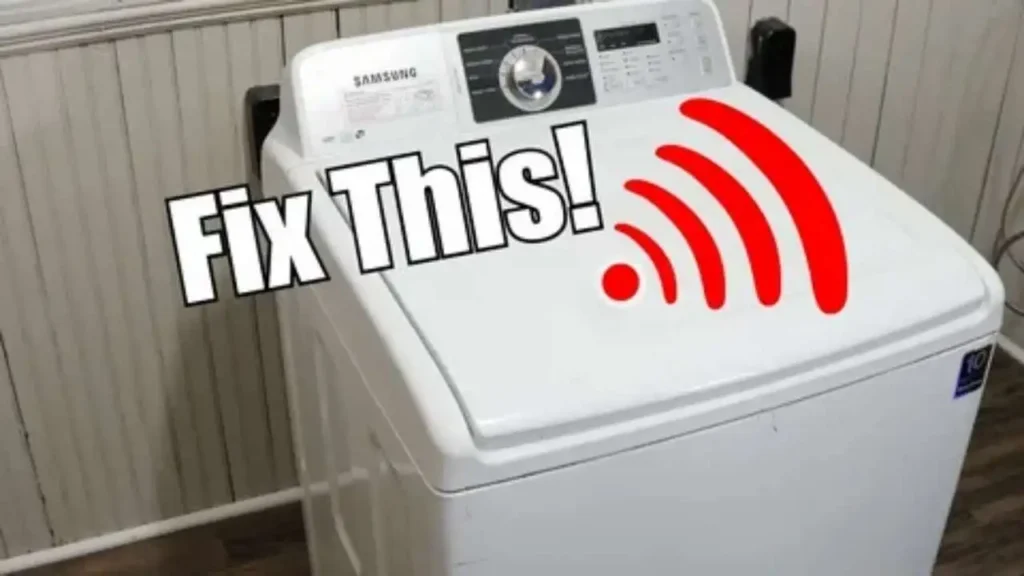
From my experience, a washing machine not spinning properly usually shows up when clothes come out still very wet or the drum fails to reach full speed. Even trusted brands like LG Electronics, Samsung Electronics, and Whirlpool can face this issue due to internal wear or imbalance.
Common Signs
- Clothes remain very wet after the wash cycle is complete
- Drum rotates slowly or fails to reach proper spin speed
- Machine makes unusual noises during spinning like grinding or shaking
- Spin cycle stops suddenly before completing the full program
- Excess water stays inside the drum after draining process finishes
Washing machine not spinning but motor running
When a washing machine is not spinning but the motor is clearly running, it usually points to a mechanical or transmission issue rather than a power problem. From my experience, I’ve often seen this happen when the drive belt is slipping, the capacitor is weak, or the drum is overloaded and unable to gain proper speed. The motor sound may be present, but the drum stays slow or completely still. Even reliable machines from brands like LG Electronics, Samsung Electronics, and Whirlpool can face this issue when internal components start wearing out.
In real-world troubleshooting, I’ve noticed users often assume the motor has failed, but in many cases the motor is actually fine. The real problem is usually a disconnected belt, faulty clutch, or a control signal that fails to transfer power properly to the drum, which is why the machine runs but does not spin effectively.
Top load washing machine not spinning but making noise
In top load washing machines, when you hear noise but the drum is not spinning, it usually indicates a problem with the belt, agitator, or transmission system. From my hands-on experience, top loaders often develop wear in the clutch or coupling, which leads to loud humming, clicking, or grinding sounds while the drum fails to rotate properly. This issue is common in heavy-use households using brands like LG Electronics, Samsung Electronics, and Whirlpool.
I’ve also seen cases where an unbalanced load or jammed agitator creates false noise symptoms, making it look like a major failure. In reality, once the load is balanced or the worn part is replaced, the machine usually returns to normal spinning without needing a full motor replacement.
Front load washing machine not spinning but making noise
When a front load washing machine makes noise but does not spin, it is often related to drum resistance, bearing wear, or a failing drive belt. In my experience, front loaders are more sensitive, so even a small issue like a stuck drum or worn shock absorbers can stop proper spinning. You may hear grinding, low humming, or repetitive clicking while the drum struggles to move. This is commonly seen in machines from LG Electronics, Samsung Electronics, and Whirlpool.
From practical repair situations, I’ve found that ignoring early noise signs often leads to bigger issues like bearing damage or drum misalignment. That’s why early inspection is important, as most front load spin problems can be fixed before they turn into costly repairs.
Samsung washing machine not spinning but making noise
When a Samsung Electronics washing machine is not spinning but still making noise, it usually indicates a problem with the drive system, sensor, or load balance mechanism. From my experience, Samsung models often stop spinning when they detect imbalance or when the motor tries to run but the drum cannot respond properly. You may hear humming, clicking, or repeated attempts to start spinning without success.
In real repair cases, I’ve noticed that the issue is often not the motor itself but something like a worn belt, faulty hall sensor, or overloaded drum. Once the root cause is fixed and the system is reset properly, the machine usually returns to normal spinning without needing major replacement parts.
Washing machine WON’T spin or drain
When a washing machine won’t spin or drain at all, it usually points to a blockage or pump-related issue rather than a complete breakdown. From my experience, I’ve seen this happen when the drain filter is clogged, the pump is jammed, or the load inside is preventing proper cycle completion. Sometimes the machine just sits with water inside and refuses to move forward. Even reliable models from brands like LG Electronics, Samsung Electronics, and Whirlpool can face this issue when drainage is restricted.
Washing machine not spinning but filling with water
When a washing machine fills with water but doesn’t spin, it often indicates a problem with the spin cycle activation or internal balance system. In my experience, this can happen when the lid switch is faulty, the load is uneven, or the motor is unable to shift into spin mode. The machine may complete filling and washing but completely skip spinning, leaving clothes soaking wet.
Top load washing machine drum not spinning
If a top load washing machine drum is not spinning, the issue is often linked to the belt, agitator, or transmission system. From what I’ve seen in real repair cases, top loaders usually develop wear in these parts over time, causing the drum to stay still even though the motor is running. Sometimes it also happens due to overloading or a jammed agitator mechanism.
Washing machine WON’T spin with one item
When a washing machine won’t spin with just one item inside, it is usually due to load imbalance detection. In my experience, modern machines are designed to stop spinning if they detect uneven weight, and a single heavy item like a blanket or towel can prevent the cycle from starting. Even brands like LG Electronics, Samsung Electronics, and Whirlpool use sensors that pause spinning to protect the drum and motor from damage.
Call proappliancedubai for Washer Repair In UAE
If your washing machine is not spinning, draining, or working properly, it’s best to get it checked before the issue becomes worse. From my experience, quick professional help makes a big difference in avoiding costly damage, especially in busy households. For trusted washer repair services across the UAE, you can contact Pro Appliance Dubai for expert diagnosis, fast repair, and complete washing machine servicing.
Frequently Asked Questions
Why is my washer making noise and not spinning?
This usually happens when the load is unbalanced, the drive belt is slipping, or internal parts like bearings or the motor are under strain. If ignored, it can lead to complete spin failure.
What should I do when my washing machine is not spinning?
Start by checking the load inside, ensuring the door is properly closed, and confirming the drain is not blocked. In many cases, simple corrections restore normal spinning.
How to reset a washing machine that won’t spin?
Switch off the machine, unplug it for 5–10 minutes, then restart it. Some models also have a reset option in the control panel to clear cycle errors.
How to stop a washing machine from making noise when spinning?
Make sure the machine is level on the floor, avoid overloading, and remove foreign objects. Persistent noise may indicate worn bearings or a loose belt that needs repair.
Why won’t my washer spin?
A washer may not spin due to drainage problems, a faulty lid or door switch, broken drive belt, motor issues, or control board faults that stop the spin cycle from activating.
How do I fix a washing machine that won’t spin?
Check basic issues like power supply, load balance, and drainage first. If the problem continues, internal components such as the belt, motor, or sensor may need professional repair.
What are the common causes that prevent my washer from spinning?
The most common causes include overloading, clogged drain pump, worn drive belt, faulty lid switch, motor failure, or electronic control issues.
Can I fix my washing machine that won’t spin myself?
You can handle simple fixes like redistributing clothes or resetting the machine, but electrical or mechanical faults should be repaired by a qualified technician for safety.
How much does it cost to fix a washer that won’t spin?
Repair costs depend on the issue, ranging from low-cost adjustments like belt tightening to higher costs for motor or control board replacement.
When should I call a professional for washing machine repair?
Call a professional if the machine repeatedly fails to spin, produces burning smells, leaks, or shows electrical faults, as these indicate deeper internal problems.
Conclusion
When a washing machine is not spinning but making noise, it usually indicates an internal mechanical or electrical fault that needs quick attention. Common issues include motor malfunction, drive belt damage, clogged drain system, or spin cycle failure that affects drum rotation. Brands like LG and Samsung often show similar symptoms when the washer is overloaded or parts are worn out. Proper diagnosis through washing machine troubleshooting helps restore smooth spin performance and reduces further appliance damage.
In conclusion, resolving a noisy washing machine with no spinning action requires timely inspection and professional repair when needed. Issues such as faulty lid switch, capacitor failure, or control board error can stop the spin cycle completely. Leading appliance makers like Whirlpool and Bosch emphasize regular maintenance to avoid such problems. Early detection of washer drum issues ensures long-lasting performance and efficient laundry care.